
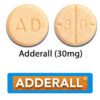
Product Overview: Adderall 30 mg (AD 30) is a prescription medication containing a combination of amphetamine and dextroamphetamine. It is classified as a central nervous system stimulant and is primarily used in the treatment of attention deficit hyperactivity disorder (ADHD) and narcolepsy. The AD 30 version of Adderall is specifically formulated as a 30 mg dose, indicated by its orange color, round shape, and 10.00 mm size.
Key Features:
- Active Ingredients: Adderall 30 mg contains a combination of amphetamine and dextroamphetamine, which work by increasing the levels of certain neurotransmitters in the brain, resulting in improved focus, attention, and impulse control.
- Dosage and Administration: Each tablet of Adderall 30 mg is designed to provide a standardized dose of 30 mg of the active ingredients. It is typically taken orally, as directed by a healthcare professional, and may be administered with or without food.
- Drug Class: Adderall belongs to the class of central nervous system stimulants, which are substances that increase activity in the brain and spinal cord, leading to enhanced alertness, wakefulness, and cognitive function.
- Pregnancy Category: Adderall is classified as Pregnancy Category C, indicating that animal reproduction studies have shown an adverse effect on the fetus, but there are no adequate and well-controlled studies in humans. The potential benefits of the medication may warrant its use in pregnant women despite potential risks.
- Controlled Substance: Adderall is classified as a Schedule 2 controlled substance due to its high potential for abuse, which may lead to severe psychological or physical dependence.
Indications: Adderall 30 mg (AD 30) is indicated for the treatment of:
- Attention deficit hyperactivity disorder (ADHD) in children and adults.
- Narcolepsy, a sleep disorder characterized by excessive daytime sleepiness and sudden attacks of sleep.
Storage: Adderall tablets should be stored at room temperature, away from moisture and heat, in a tightly closed container. It is essential to keep the medication out of reach of children and pets.
Precautions:
- Prior to initiating Adderall therapy, patients should undergo a comprehensive medical evaluation to assess their medical history, including any history of substance abuse or psychiatric disorders.
- Adderall should be used with caution in patients with a history of heart problems, high blood pressure, seizures, or glaucoma, as it may exacerbate these conditions.
- Regular monitoring of blood pressure, heart rate, and mental status is recommended during Adderall therapy to minimize the risk of adverse effects and ensure safety.
Adverse Reactions: Common adverse reactions associated with Adderall may include insomnia, headache, dry mouth, loss of appetite, and weight loss. Less common but potentially serious adverse effects may include cardiovascular complications, psychiatric symptoms, and allergic reactions. Patients should report any unusual or persistent symptoms to their healthcare provider promptly.


– Daniel Harper
Adderall 30 mg provides strong and consistent focus enhancement when used under medical supervision. I experienced improved concentration and better task prioritization throughout the day. There was also increased alertness, though it’s important to monitor timing to avoid sleep disruption. Overall, it’s effective but requires responsible use and careful dosing.
– Sofia Andersson
What stood out with Adderall 30 mg is how quickly it improves mental clarity and reduces distractibility. It helped me stay productive on demanding tasks and improved follow-through on daily responsibilities. The effects are noticeable and long-lasting, though it can feel intense if not properly managed. Side effects were mild for me overall.
– Evan Mitchell
Adderall 30 mg has been very effective for improving focus and task completion when used as prescribed. I noticed a significant improvement in attention span and ability to stay organized throughout the day. The effects feel strong and clear, especially for work requiring sustained mental effort. Appetite suppression and mild dry mouth were present, but manageable.